One of the most effective ways to improve the look and value of your wood crafts is by choosing the right paint finish! Whether you’re creating décor to sell at craft shows or adding handmade touches to your home, the finish you apply can completely change how polished and sellable your project appears. These wood craft painting techniques are simple, beginner-friendly, and only require basic supplies you can find at your local hardware store.
A simple wooden sign, ornament, display stand, or gift tag may look plain in its unfinished form. But with the right painting technique, it can become a warm home décor piece, a seasonal product, a branded retail item, or part of a custom gift collection.
In this guide, we will walk through how to paint wooden crafts step by step, what types of paint and finishes work best, what mistakes to avoid.
Why Painting Wooden Crafts Matters
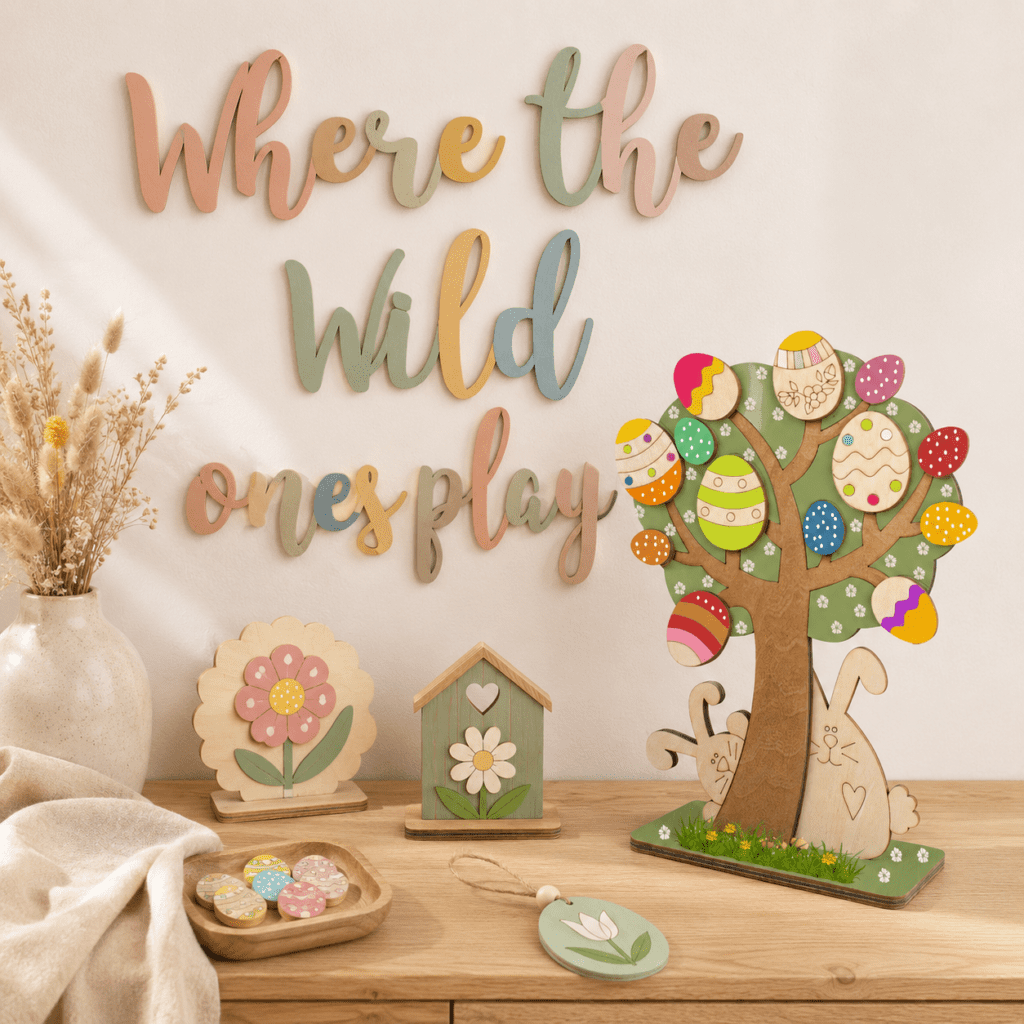
Wood is naturally warm and beautiful, but the right surface finish can make a wooden product more suitable for different markets and design styles. A natural wood finish may work well for rustic home décor, while white, pastel, or seasonal colors may be better for nursery décor, wedding decorations, holiday ornaments, or gift products.
For wooden crafts, painting can help achieve several important goals:
- Improve the visual appearance of the product
- Match a specific home décor, holiday, or brand style
- Protect the wood surface from stains, scratches, and moisture
- Increase perceived product value
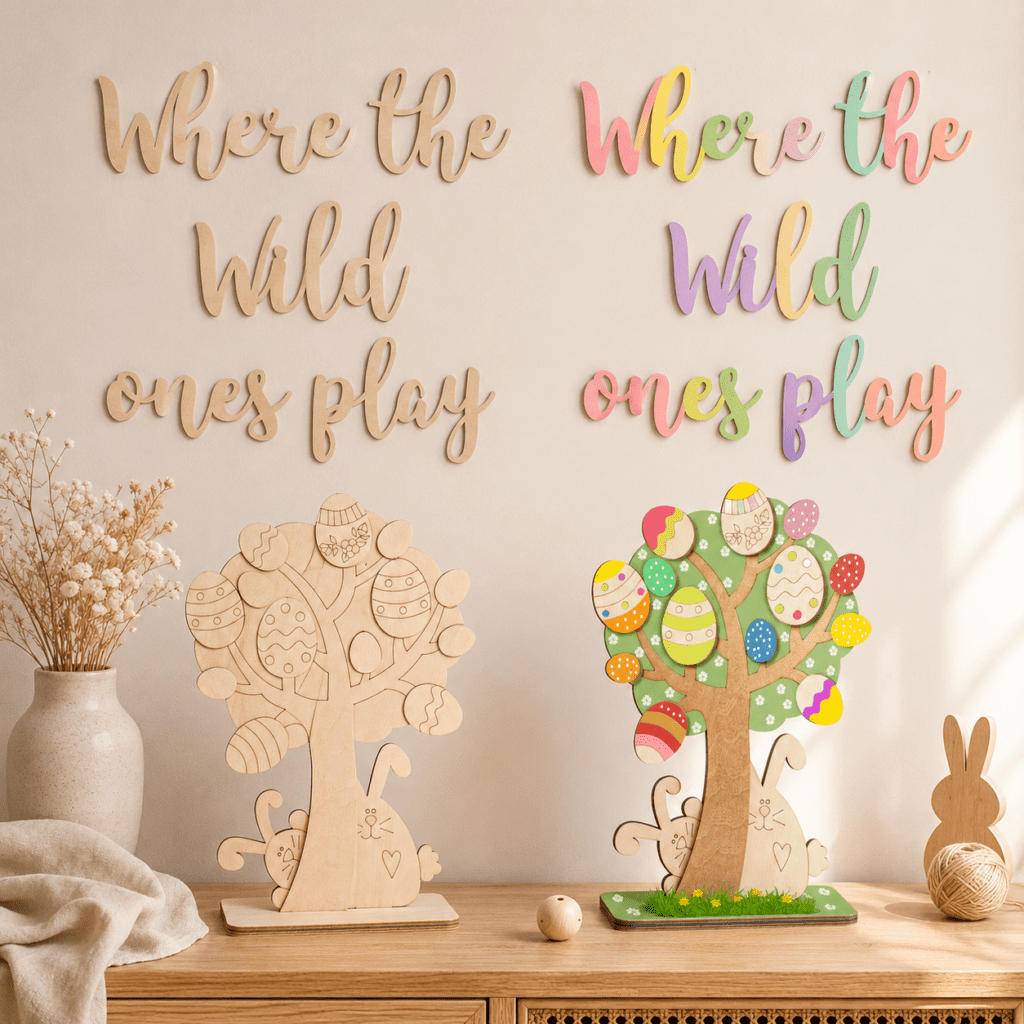
What Types of Paint Can Be Used on Wooden Crafts?
Different paints create different effects. The best choice depends on the product type, usage scenario, target market, and desired style.
Acrylic Paint
Acrylic paint is one of the most common choices for small wooden crafts. It dries relatively fast, comes in many colors, and works well for decorative products.
It is suitable for:
- Wooden ornaments
- Wooden wall signs
- Wooden gift tags
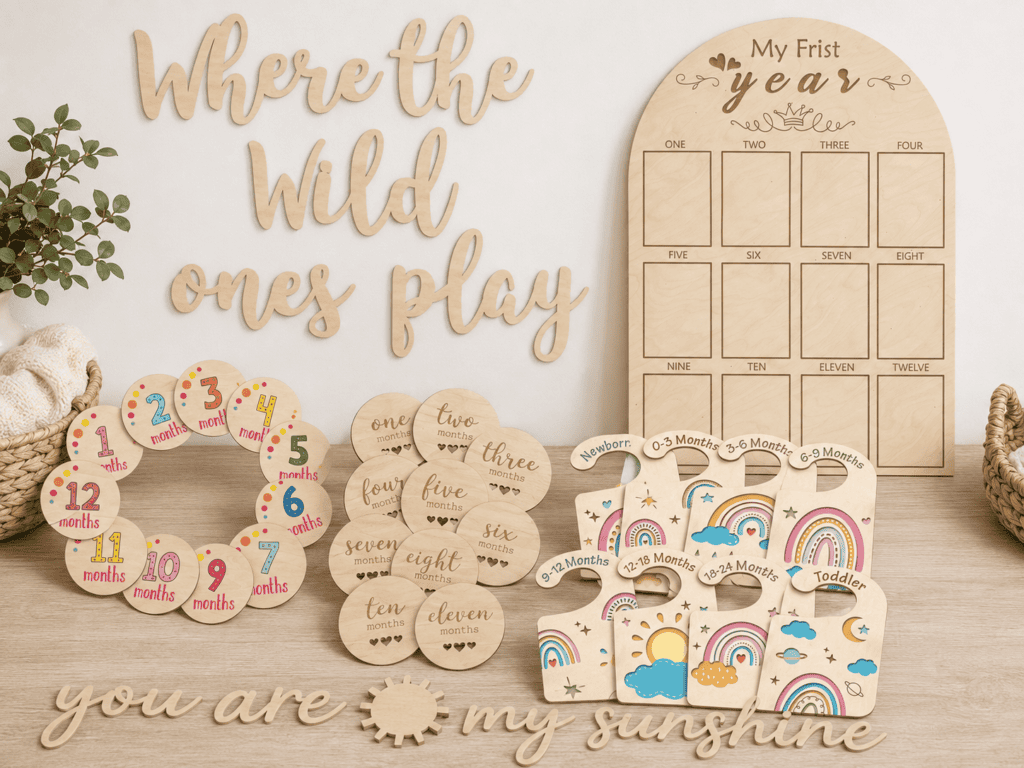
- Nursery decorations
- Holiday decorations
- DIY craft kits
- Small painted wooden plaques
Acrylic paint is often used when buyers need colorful designs, simple patterns, or soft decorative effects. For small and medium-sized wooden craft products, it offers a good balance between appearance, cost, and production flexibility.
Wood Stain
Wood stain is different from normal paint. Instead of fully covering the wood surface, it penetrates into the wood and keeps the natural grain visible.
This finish is suitable for products where buyers want a natural, rustic, vintage, or premium look.
Common applications include:
- Wooden trays
- Wooden display stands
- Wooden wall décor
- Wooden storage items
- Wooden signage
- Home décor products
- Retail display props
Spray Paint
Spray paint can create a smooth and even surface when applied correctly. It is often used for products that need full-color coverage or a more consistent finish across larger batches.
Spray painting is suitable for:
- Solid color wooden signs
- Display props
- Decorative plaques
- Painted wooden accessories
- Seasonal product collections
However, spray painting requires good production control. The working environment, drying space, spray distance, paint thickness, and ventilation all affect the final result. For bulk orders, this process is usually better handled by an experienced manufacturer rather than individual hand painting.
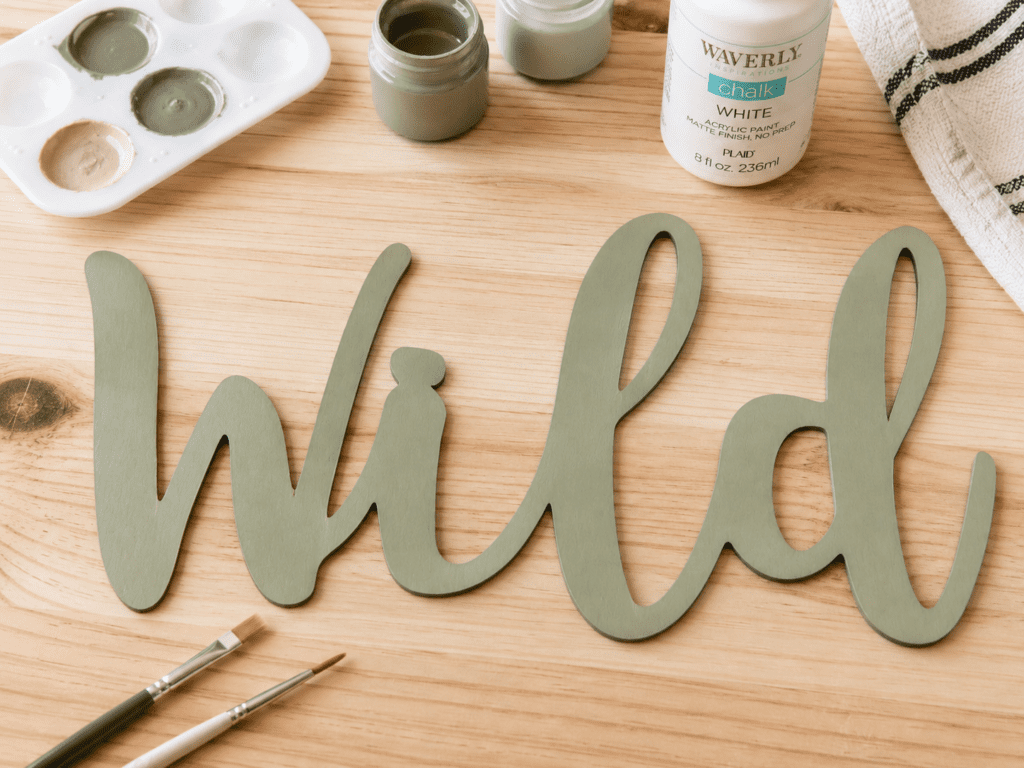
Chalk Paint
Chalk paint creates a soft matte finish. It is often used for vintage, farmhouse, rustic, or handmade-style products.
It works well for:
- Home décor signs
- Decorative wooden plaques
- Wedding decorations
- Rustic wall décor
- Gift products
Chalk paint is not always the most durable option by itself, so a protective coating is usually recommended if the product will be handled frequently.
Related Wooden Craft Products
Looking for custom wooden products for wholesale, retail, or branded packaging projects? Explore our OEM wooden craft solutions below.
View Custom Wooden Decor Products →Tools and Materials You Need Before Painting Wood
Before painting wooden crafts, it is important to prepare the surface properly. A good paint finish usually depends more on preparation than on the paint itself.
Here are the basic tools and materials commonly used:
| Tool or Material | Purpose |
|---|---|
| Sandpaper | Smooths the surface and removes rough edges |
| Soft cloth | Cleans dust after sanding |
| Primer | Helps paint adhere better and improves color coverage |
| Paint brush | Applies paint to flat or detailed areas |
| Sponge brush | Creates smoother coverage on larger surfaces |
| Acrylic paint or wood stain | Adds color or enhances natural wood grain |
| Painter’s tape | Protects areas that should not be painted |
| Clear sealer or varnish | Protects the finished surface |
| Drying rack | Keeps products organized while drying |
| Gloves and mask | Helps maintain a cleaner and safer working process |
For small DIY projects, these tools are usually enough.
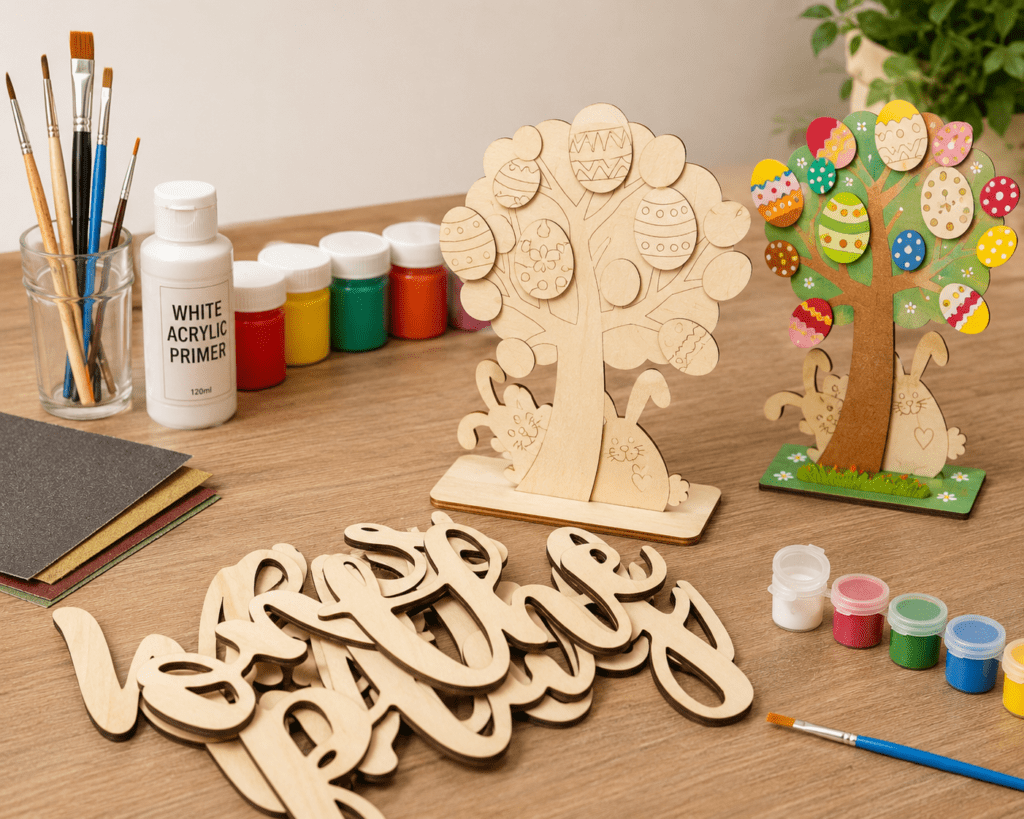
Step-by-Step Guide: How to Paint Wooden Crafts
The basic process of painting wood is not complicated, but each step affects the final result. Skipping preparation or applying paint too quickly can lead to uneven color, visible brush marks, poor adhesion, or a less professional finish.
Step 1: Choose the Right Wooden Product
Start by choosing a wooden product that is suitable for painting. Different wood materials absorb paint differently.
Common wood materials used for wooden crafts include:
- Plywood
- MDF
- Basswood
- Bamboo
- Solid wood
- Wood veneer materials
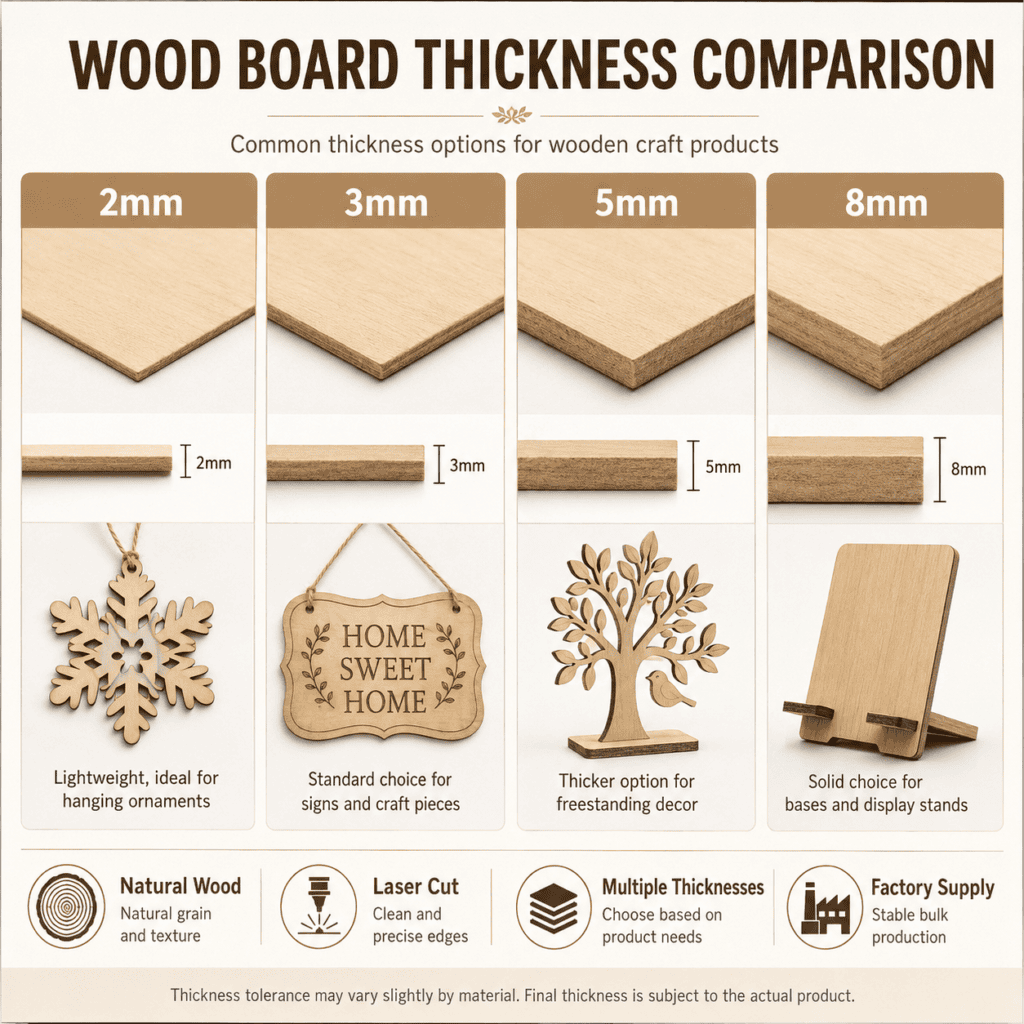
Plywood and MDF are commonly used for laser-cut wooden crafts because they are stable, cost-effective, and suitable for many decorative products. Solid wood may show more natural grain and texture, but it can also behave differently depending on density and moisture content.
If you are working with laser-cut wooden crafts, check the edges before painting. Some edges may have slight darkening from laser cutting. This can be left as part of the design or lightly sanded depending on the final style.
Step 2: Sand the Wood Surface
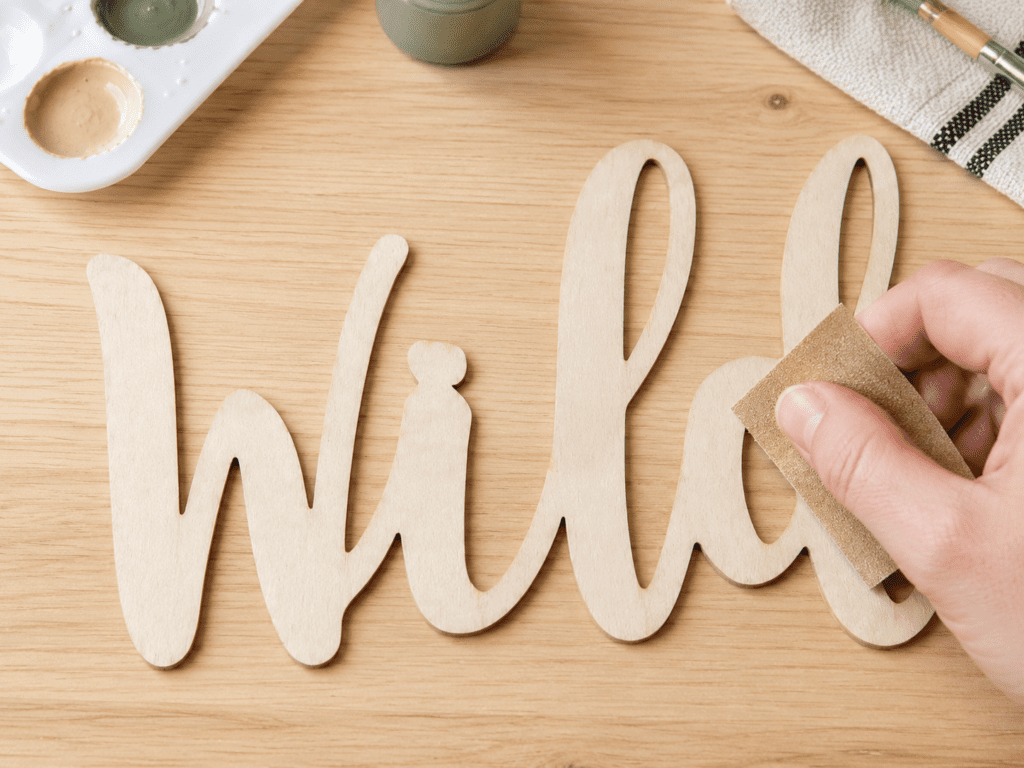
Sanding is one of the most important steps before painting. Even if the wooden product looks smooth, the surface may still have small fibers, dust, or rough edges.
Use fine sandpaper to gently smooth the surface. For most wooden crafts, light sanding is enough. The goal is not to change the shape of the product, but to create a clean and even surface for painting.
After sanding, wipe away the dust with a dry soft cloth. Do not paint directly over dust, as it may create bumps or uneven areas in the finish.
Step 3: Apply Primer if Needed
Primer helps paint stick better to the wood surface. It is especially useful when using light colors, painting MDF, or working with wood that absorbs paint unevenly.
Primer can help:
- Reduce uneven absorption
- Improve paint coverage
- Make light colors look cleaner
- Create a smoother base
- Reduce the number of paint coats needed
If you want to keep the natural wood grain visible, do not use a full-cover primer. In that case, wood stain, oil, or a transparent finish may be a better choice.
Step 4: Apply the First Coat of Paint
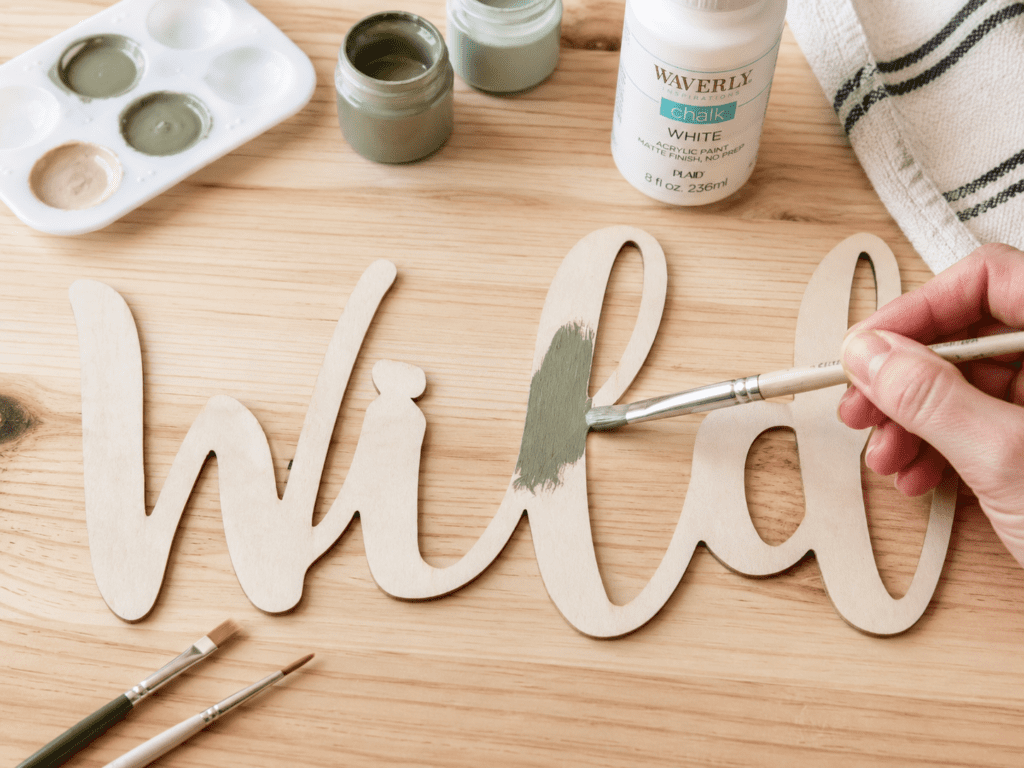
When applying the first coat, use a thin and even layer. Avoid applying too much paint at once. Thick paint may look uneven, take longer to dry, and leave visible brush marks.
For best results:
- Paint in the direction of the wood grain when possible
- Use a small brush for detailed areas
- Use a sponge brush for larger flat surfaces
- Keep the layer thin and even
- Avoid repeatedly brushing the same area before it dries
The first coat may not look perfect. That is normal. A second coat usually improves color depth and coverage.
Step 5: Let the Paint Dry Completely
Drying time depends on the type of paint, wood material, humidity, room temperature, and thickness of the paint layer.
Do not rush this step. If the first coat is not fully dry, the second coat may pull up the paint underneath or create an uneven surface.
Step 6: Add a Second Coat or Decorative Details
Once the first coat is dry, apply a second thin coat if needed. This helps the color look more solid and professional.
Step 7: Seal the Painted Wooden Craft
After the paint has fully dried, applying a clear sealer can protect the surface and make the product more durable.
Common finish options include:
- Matte finish
- Semi-matte finish
- Glossy finish
- Clear varnish
- Protective coating
- Water-based sealer
A matte finish is often used for soft home décor or nursery-style products. A glossy finish may be used when a brighter, more polished look is needed. For retail or gift products, a protective coating can help reduce scratches and improve the customer’s experience when handling the product.
Common Mistakes to Avoid When Painting Wooden Crafts
Even simple wooden craft projects can go wrong if the surface is not prepared properly. Here are some common mistakes to avoid.
Not Sanding the Wood First
Skipping sanding may cause rough texture, poor adhesion, or visible wood fibers after painting. Even light sanding can make a big difference.
Applying Paint Too Thick
A thick paint layer does not always mean better coverage. It can lead to dripping, brush marks, slow drying, or an uneven finish.
Painting Over Dust
Dust can easily get trapped under the paint and create small bumps. Always clean the wood after sanding.
Skipping Primer for Light Colors
White, cream, beige, pastel, and other light colors may look uneven without primer, especially on porous wood surfaces.
Not Allowing Enough Drying Time
If the paint is not fully dry before the next coat, the surface may become sticky or uneven.
Forgetting the Protective Coating
For products that will be touched, packed, shipped, or displayed in retail environments, a clear protective coating can improve durability.
Using the Wrong Finish for the Product
A nursery wall sign, a retail display stand, a wedding decoration, and a holiday ornament may all require different finishes. Choosing the finish based on the final use is important.
Best Finishes for Different Wooden Craft Products
Not every wooden craft needs the same finish. The best choice depends on where and how the product will be used.
| Wooden Craft Product | Recommended Finish | Why It Works |
|---|---|---|
| Wooden wall signs | Acrylic paint, stain, clear sealer | Decorative, lightweight, suitable for home décor |
| Nursery wooden décor | Soft colors, non-toxic paint, matte finish | Gentle appearance for nursery-style products |
| Wooden display stands | Stain, varnish, logo printing | Professional look for retail and brand display |
| Holiday ornaments | Acrylic paint, UV printing, glitter details | Colorful and suitable for seasonal collections |
| Wooden gift tags | Laser engraving, paint, printing | Ideal for branding and packaging decoration |
| Wedding decorations | White paint, natural stain, matte coating | Elegant and suitable for event décor |
| Wooden trays | Stain, varnish, protective coating | Better durability and natural wood appearance |
| Wooden plaques | Paint, engraving, UV printing | Flexible for quotes, logos, and decorative patterns |
For example, wooden wall signs often look good with natural stain or soft painted colors, while wooden display stands usually require a more durable finish because they may be used repeatedly in stores, exhibitions, or product photography.
FAQ About Painting Wooden Crafts
What paint works best on wooden crafts?
Acrylic paint is one of the most commonly used paints for wooden crafts because it is easy to apply, dries relatively fast, and comes in many colors. For a more natural look, wood stain is a better choice because it keeps the wood grain visible.
Do I need to sand wood before painting?
Yes. Sanding helps smooth the wood surface, remove rough edges, and improve paint adhesion. Even light sanding can make the final finish look cleaner.
Should I use primer before painting wooden crafts?
Primer is recommended when using light colors or painting porous wood materials such as MDF or plywood. It helps improve coverage and makes the color look more even.
How do I protect painted wooden crafts?
After the paint has fully dried, apply a clear sealer, varnish, or protective coating. This can help protect the surface from scratches, stains, and moisture.
Conclusion
Painting wooden crafts is a practical way to improve appearance, add value, and create products that match different markets and styles. The basic process includes choosing the right wooden product, sanding the surface, applying primer if needed, painting in thin coats, allowing enough drying time, adding details, and sealing the final surface.For DIY projects, this process can be simple and creative.